

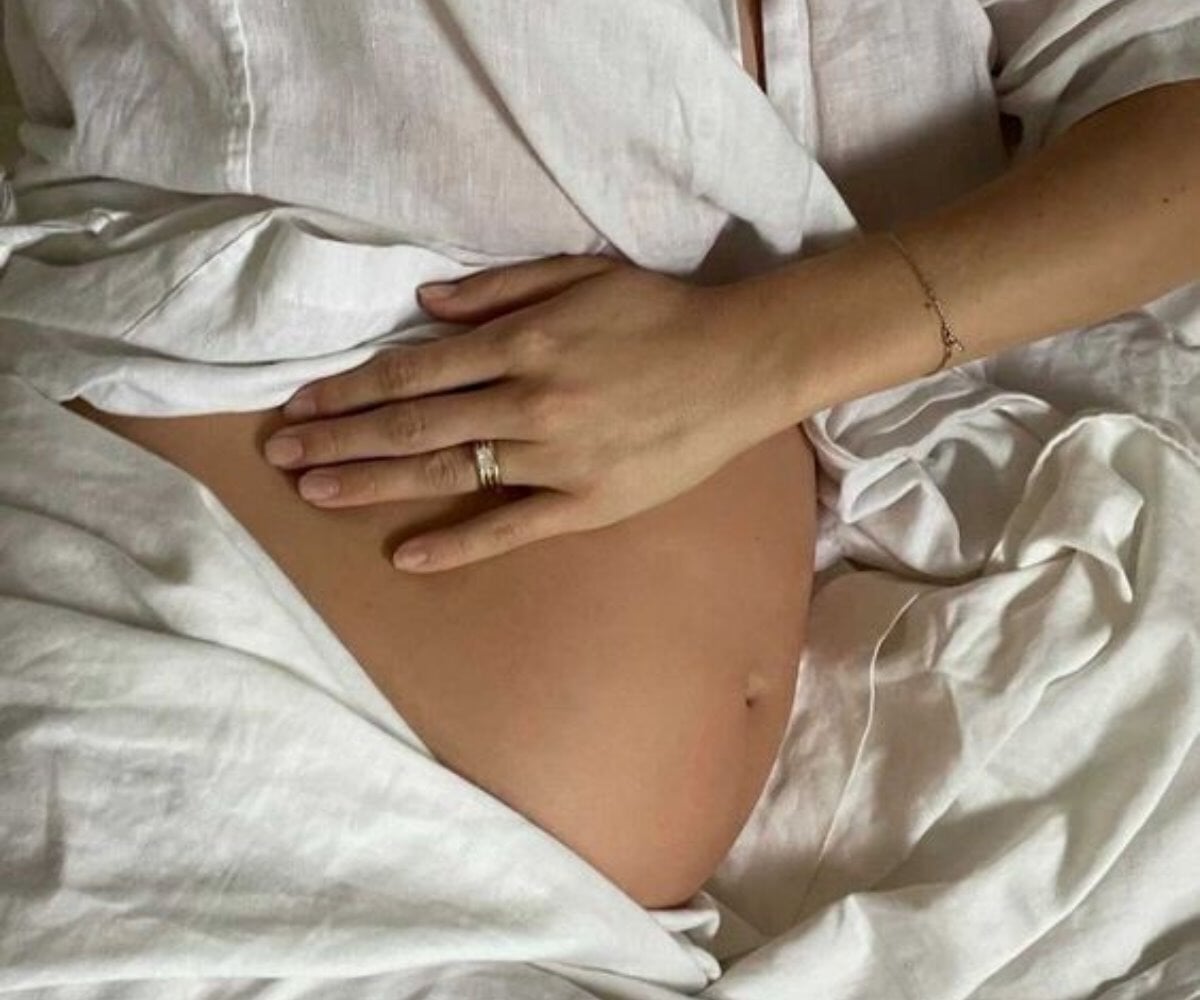
Everyone talks about the pregnancy “glow” but what about the breakouts, oily or dry skin, redness, photosensitivity and pigmentation? The list can go on for many mothers-to-be.
While your skin does need a little extra attention during this special time, it is important to remain mindful of what ingredients you are introducing into your body as they may also impact your baby. But it is now easier than ever to maintain your skin during pregnancy and toxin-free choices are now widely available. Here are some tips to help you navigate through any skincare woes you might encounter while expecting:Increased oiliness
Photosensitivity and hyperpigmentation
Pregnancy hormones such as estrogen and progesterone can sometimes darken areas of skin, a condition that is usually known as ‘pregnancy marks’ or Melasma. Although hyperpigmentation is more common in women with darker complexions, this can also be a hereditary effect, so if members of your family have had this condition, then the chances of your skin being affected are higher as well. To help minimize this hormone-triggered side effect, applying sunscreen daily is of utmost importance. Using mineral (rather than chemical) sun protection is usually a better choice during pregnancy as mineral sunscreens are often less irritating and work by using physical filters such as zinc oxide or titanium dioxide to block UV rays. Using Vitamin C may also help with hyperpigmentation, as it works as an antioxidant that may help fade dark spots, support cell turnover and help limit the creation of new dark melanin areas.
Dry skin
Dry skin is also experienced by some mothers-to-be, and a great way to remedy flaky skin is by adding hyaluronic acid to your routine. Hyaluronic acid is a naturally-occurring hydrating agent which works to restore the skin’s moisture content and defend it against moisture loss. It is often said to hold up to 1,000 times its weight in moisture giving your skin a plumping boost. Using a hydrating cleanser and moisturizing with nourishing oils and lipid-rich moisturizers also helps to keep your natural moisture barrier intact. Hormonal changes during pregnancy can make your skin more sensitive than usual, so always test before using new products and consult with your physician.


